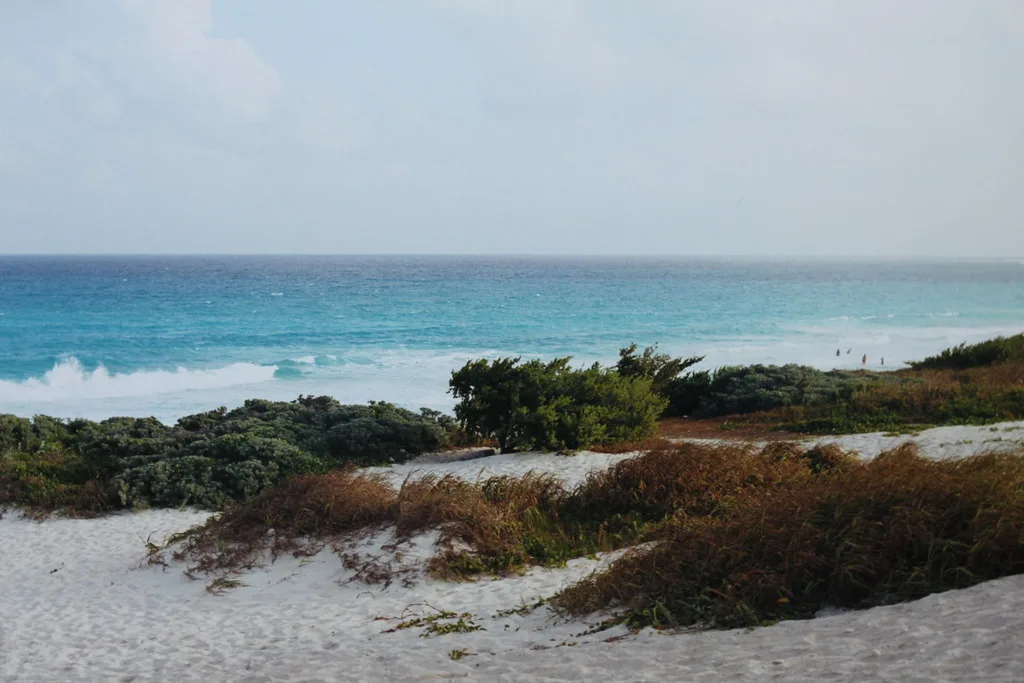
Discover Mexico
Ancient Maya cities, colonial capitals, and coastline from Cancún to Cabo.
About Mexico
Mexico stretches from the US border down to the jungles of Chiapas, spanning deserts, colonial highlands, and two very different coastlines — the Pacific and the Caribbean. Few countries pack as much variety into one trip.
Home to one of the world's great ancient civilizations, Mexico's Maya and Aztec ruins sit alongside colorful colonial cities, world-class food, and some of the most popular beach destinations in the Americas — from Cancún and Tulum to Puerto Vallarta.
From Mexico City and Guadalajara to Monterrey and the coast, there's an entire country to explore well beyond the resorts.
Quick Facts
Best Time to Visit
Spring (Mar-May)
Warm and dry across most of the country — a great time to visit Maya ruins before the summer heat and rains set in.
Summer (Jun-Aug)
Hot and humid on the coasts with afternoon rain showers; a popular season for beach destinations despite the heat.
Fall (Sep-Nov)
Hurricane season tapers off by November. Fewer crowds and comfortable temperatures make this a good shoulder season.
Winter (Dec-Feb)
Peak tourist season on the coasts — dry, warm, and sunny. Mexico City and the highlands can turn cool at night.
Must-See Attractions
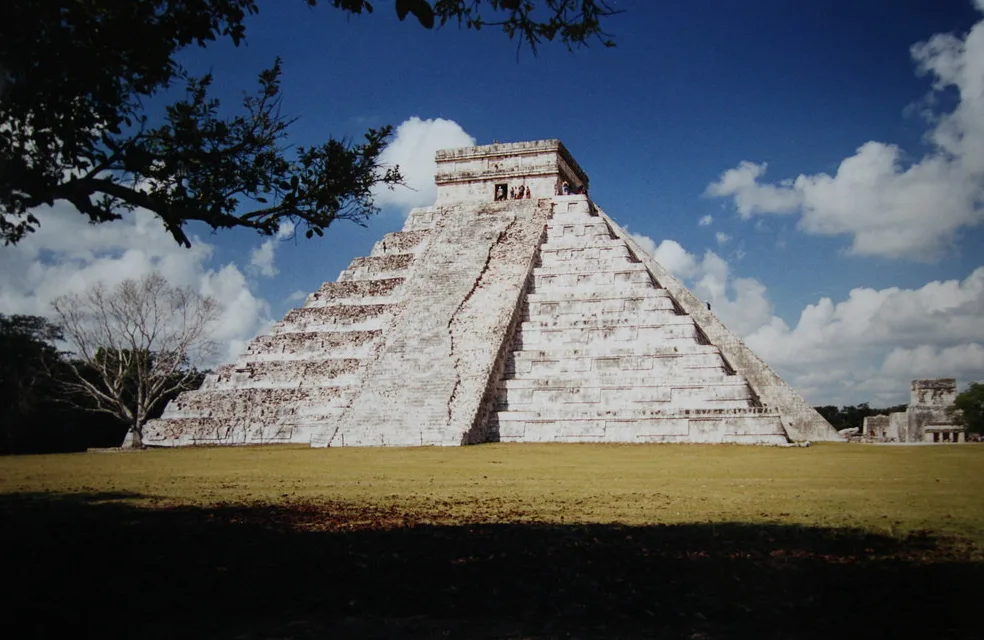
Chichén Itzá
A UNESCO World Heritage Site and one of the New Seven Wonders of the World, Chichén Itzá was once a major Maya city. Its centerpiece, the step-pyramid El Castillo, draws millions of visitors a year — especially at the spring and autumn equinoxes, when a shadow effect makes a serpent appear to slither down the staircase.
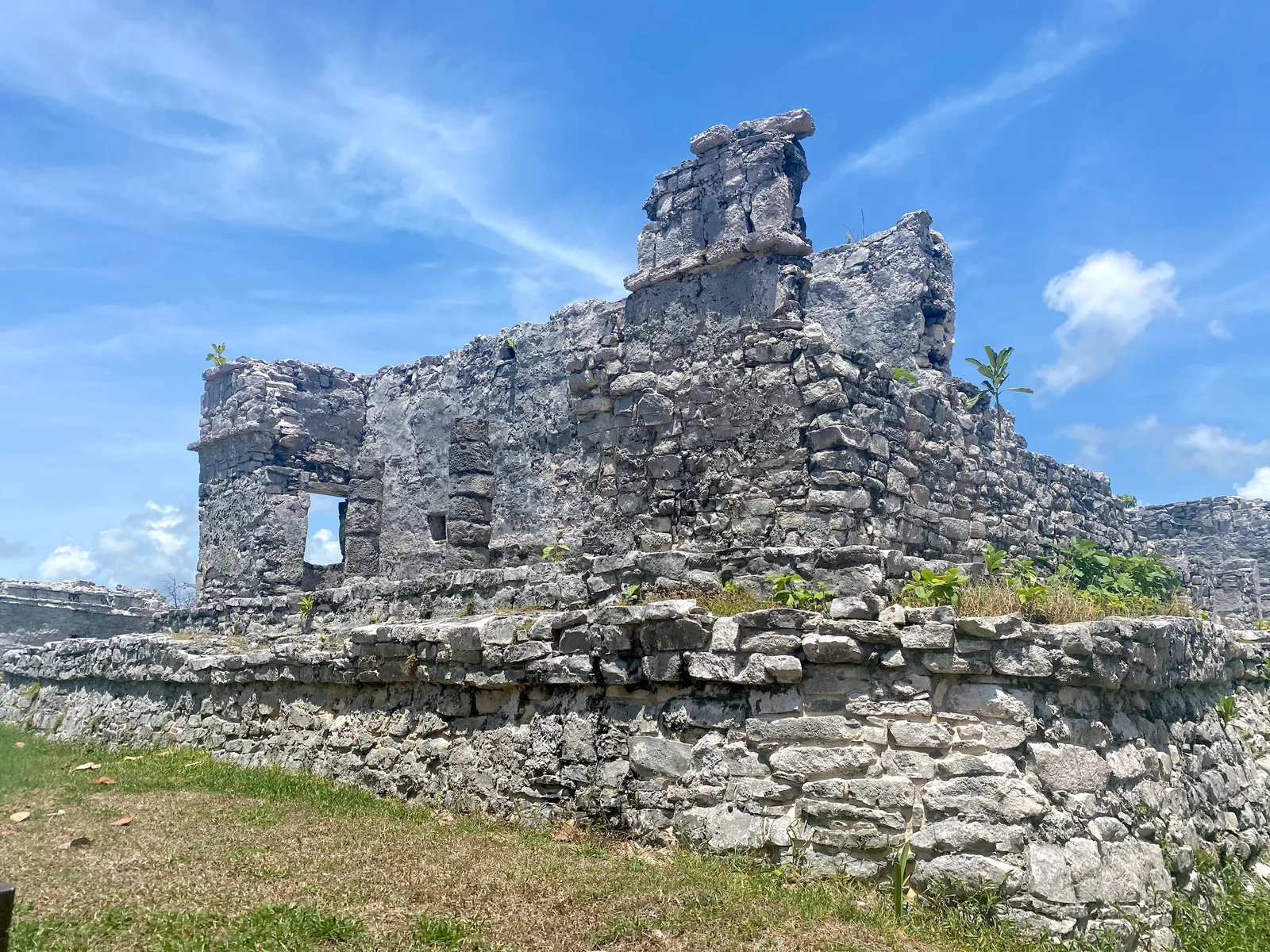
Tulum Ruins
The only major Maya city built directly on the coast, Tulum's clifftop ruins overlook the turquoise Caribbean Sea. It's one of the most photographed archaeological sites in Mexico — ancient stone temples framed by white-sand beach just below.
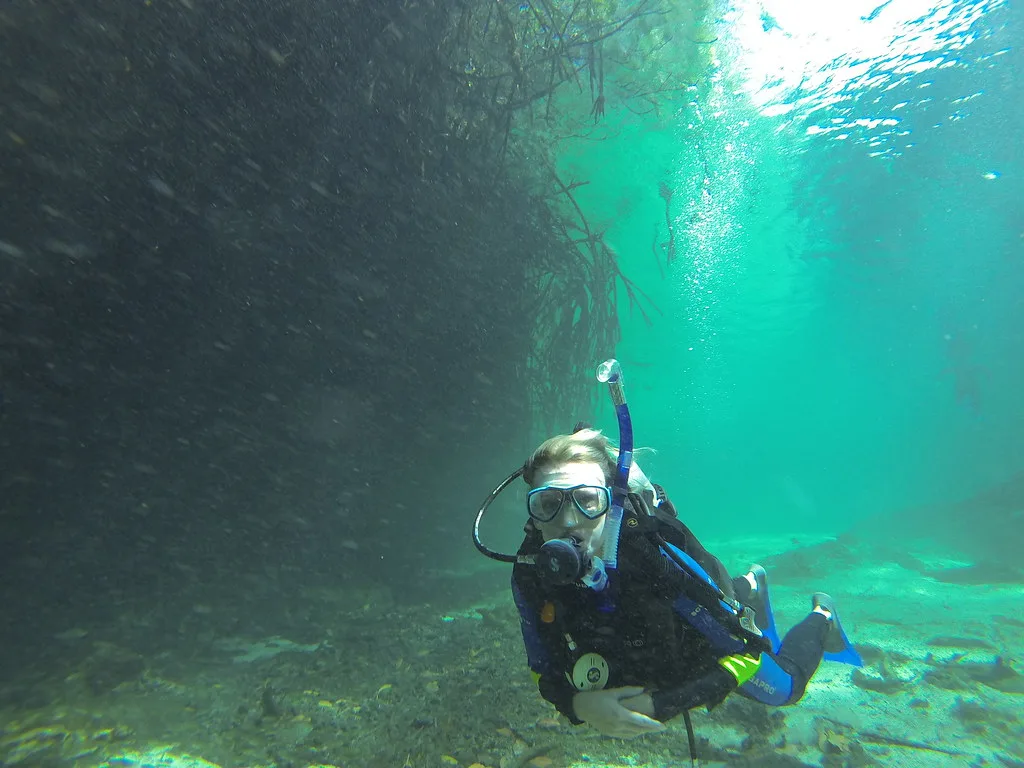
Cenotes of the Yucatán
Thousands of natural limestone sinkholes dot the Yucatán Peninsula, many filled with crystal-clear freshwater once considered sacred by the Maya. Popular cenotes near Tulum and Valladolid offer swimming, snorkeling, and diving in dramatically lit underground chambers.
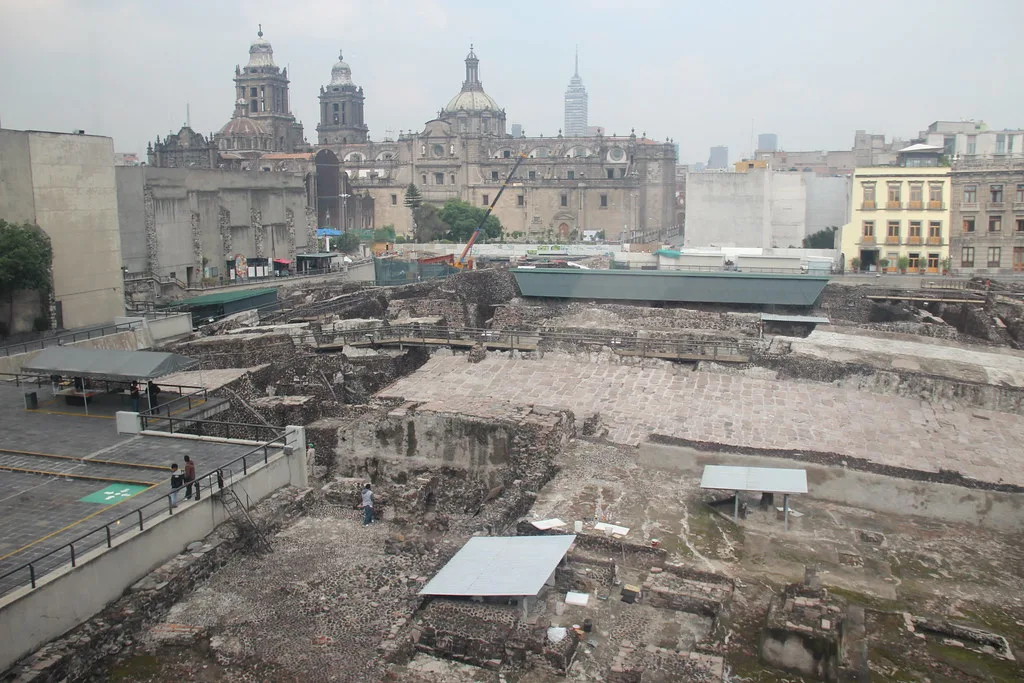
Mexico City Historic Center
The Zócalo and Metropolitan Cathedral anchor one of the largest and oldest city centers in the Americas, built atop the ruins of the Aztec capital Tenochtitlan. The nearby Templo Mayor excavation lets visitors walk among the uncovered foundations of the ancient city.
Local Cuisine
Tacos al Pastor
Marinated pork cooked on a vertical spit, sliced thin, and served on small corn tortillas with pineapple, onion, and cilantro — a Mexico City street food icon.
Mole
A rich, complex sauce — often combining chiles, spices, and chocolate — served over chicken or turkey. Oaxaca's mole negro is especially prized.
Tamales
Masa dough filled with meats, cheese, or vegetables, wrapped in corn husks or banana leaves, and steamed. A staple at celebrations across the country.
Ceviche
Fresh fish or shrimp cured in citrus juice with onion, chile, and cilantro — a refreshing coastal favorite, especially along the Pacific and Yucatán coasts.
Getting Around
Domestic Flights
The fastest way to cover long distances between Mexico City, the coasts, and the Yucatán.
ADO & First-Class Buses
Extensive, comfortable long-distance bus network connecting cities and popular tourist regions like the Riviera Maya.
Mexico City Metro
One of the largest and most affordable metro systems in the world, covering most of the capital.
Rental Cars & Colectivos
Great for exploring the Yucatán's ruins and cenotes at your own pace; shared colectivo vans cover shorter regional routes cheaply.
Stay Connected in Mexico
A Travan eSIM keeps you connected across Mexico on major local networks, from Mexico City and Guadalajara to the beach corridors of Cancún, Tulum, and Los Cabos. Choose the data and duration that match your trip, and sidestep the roaming fees US and Canadian carriers charge south of the border — often the single most expensive part of staying online on a Mexico trip.
The US–Mexico family corridor is the largest visiting-friends-and-relatives route in the Americas, and Travan is made for it. When you call relatives during your visit — or call back to the US while you're there — your own real, verified number is what shows on their screen. No unknown-number calls going to voicemail, no switching between messaging apps just to be recognized. You keep the number your family already knows, the whole time you're in Mexico.
Coverage is reliable across cities, resort areas, and main highways; smaller towns and rural stretches can vary, as with any network. For rideshare, maps, translation, and daily calls home, you'll be connected from the moment you land.
Why Choose Travan eSIM for Mexico?
Get connected immediately upon arrival
Stay connected in resort areas, cities, and along the Riviera Maya
Save up to 70% vs. your home carrier's roaming rates
Network: AT&T, Movistar
And when you ring home from Mexico, Travan gives you calls from your own real, verified number — see how calling works.