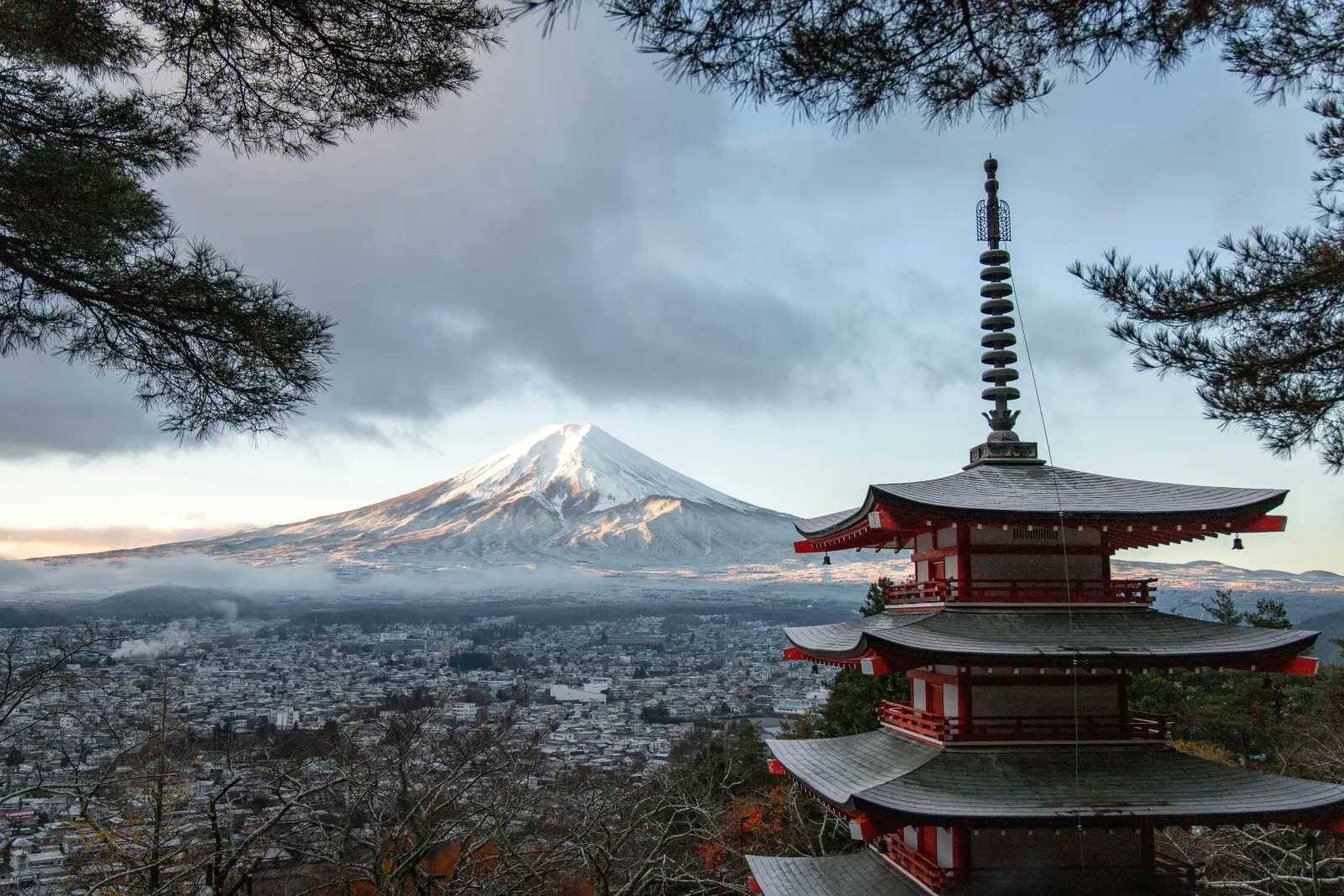
Discover Japan
Experience the perfect blend of ancient traditions and cutting-edge technology in the Land of the Rising Sun.
About Japan
Japan is an island country in East Asia, located in the northwest Pacific Ocean. It is bordered by the Sea of Japan to the west and extends from the Sea of Okhotsk in the north to the East China Sea in the south.
The nation has been shaped by centuries of cultural evolution, resulting in a unique blend of ancient traditions and cutting-edge modernity. From serene temples and gardens to bustling urban centers filled with neon lights, Japan offers visitors a glimpse into a society that deeply respects its past while embracing innovation.
Japanese culture is known worldwide for its distinctive art forms, cuisine, and philosophy. The country's landscapes vary dramatically, from snow-capped mountains and volcanic hot springs to pristine beaches and dense forests, making it an ideal destination for nature lovers and urban explorers alike.
Quick Facts
When to Visit
Spring (Mar-May)
Cherry blossom season (sakura) is one of the most beautiful times to visit. Pleasant temperatures and festivals.
Summer (Jun-Aug)
Hot and humid with numerous festivals. The rainy season typically ends in early July.
Autumn (Sep-Nov)
Comfortable temperatures and spectacular autumn foliage (koyo). Less crowded than spring.
Winter (Dec-Feb)
Excellent skiing in the north, illuminations in cities, and hot springs are perfect in cold weather.
Top Attractions in Japan
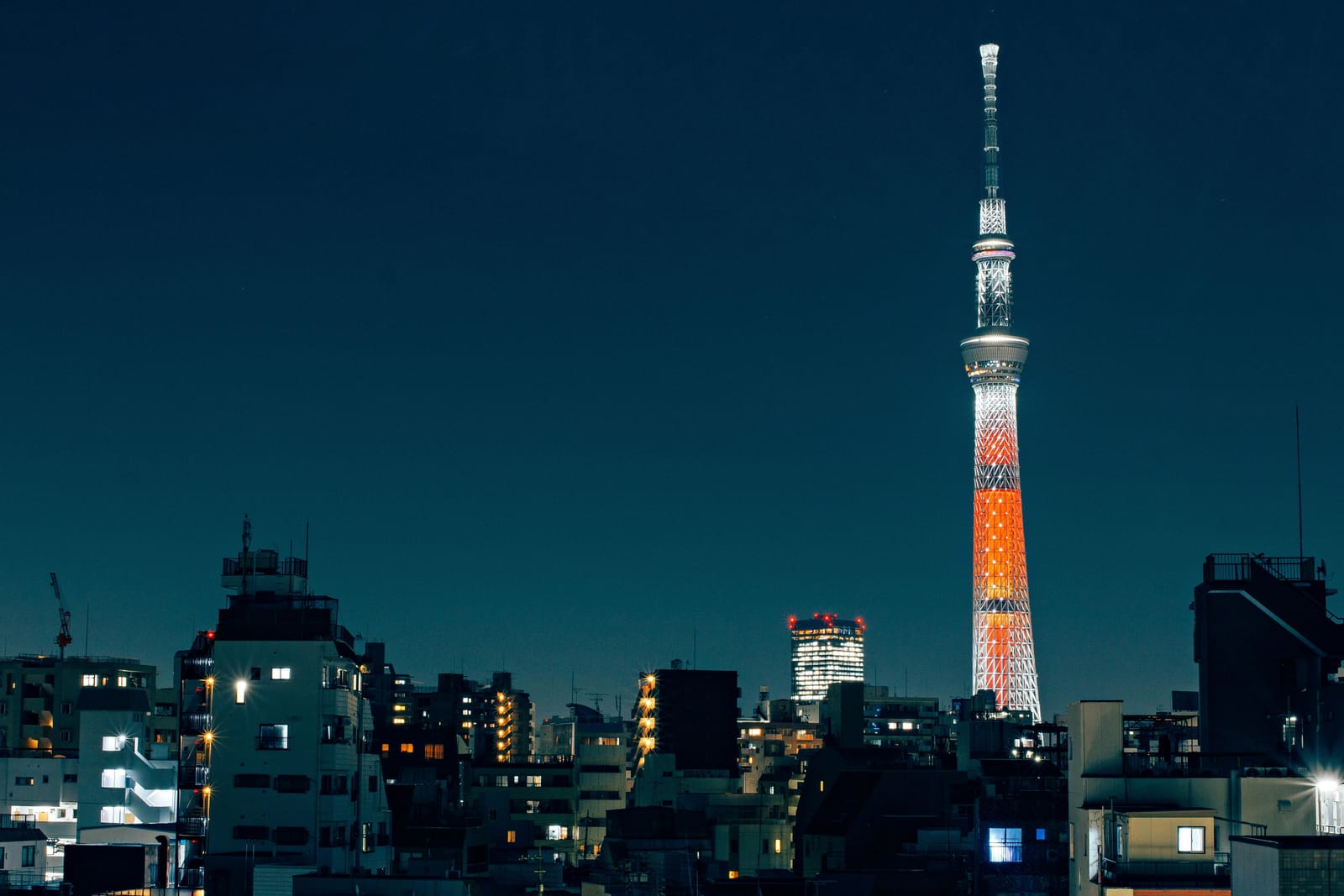
Tokyo Skytree
The Tokyo Skytree is the tallest structure in Japan and one of the tallest in the world at 634 meters. Located in the Sumida district, it serves as a broadcasting tower, observation deck, and a symbol of modern Tokyo. Visitors can enjoy breathtaking 360° views of the city skyline, Mount Fuji on clear days, and immersive shopping and dining experiences at the Tokyo Solamachi complex at its base. Its futuristic design and cultural significance make it a must-see attraction for anyone visiting Japan's capital.
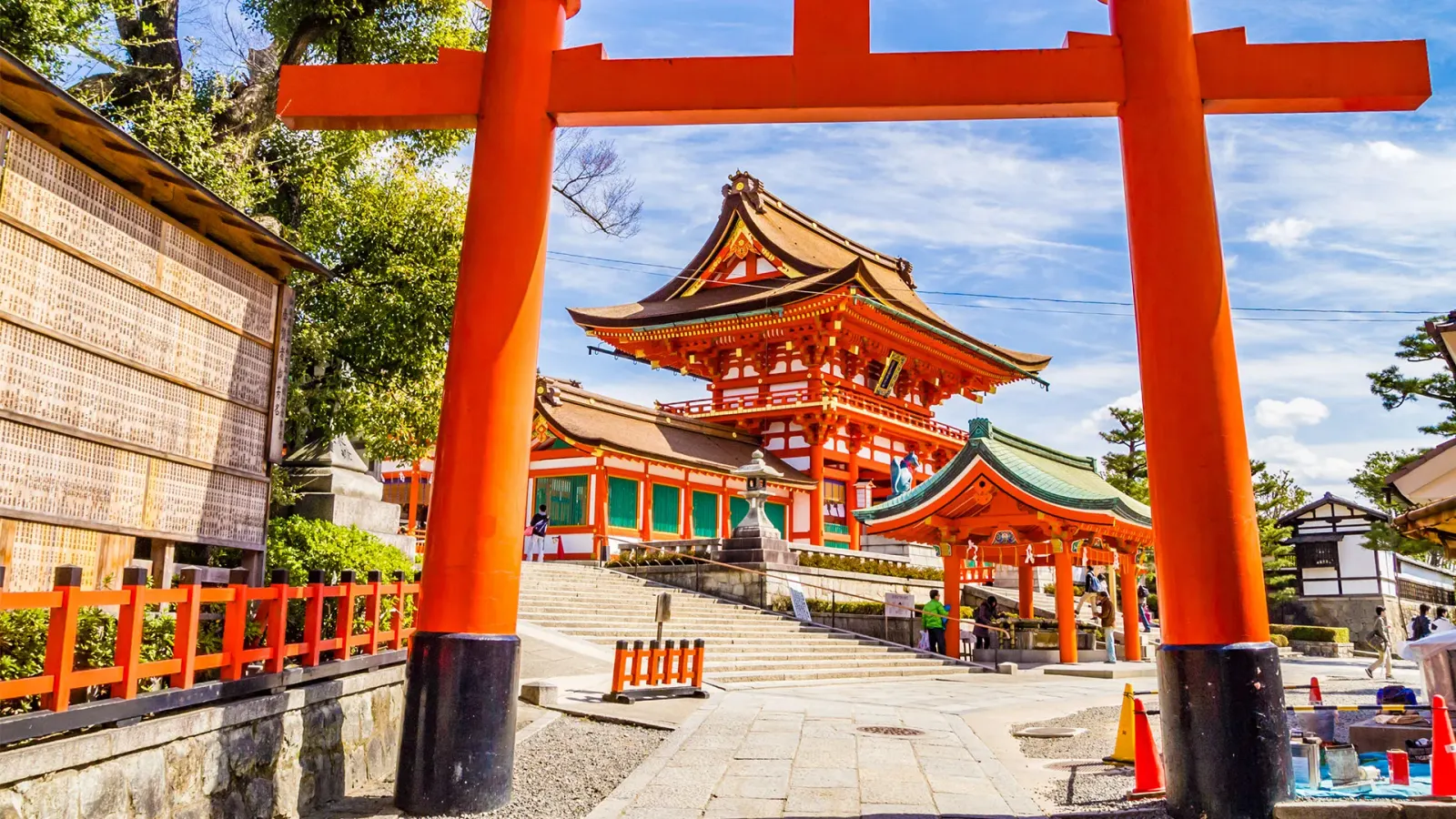
Fushimi Inari Shrine
Fushimi Inari Taisha is one of Japan's most iconic and sacred Shinto shrines, located in Kyoto. It is best known for its thousands of vibrant red torii gates that wind through forested trails on Mount Inari. Dedicated to Inari, the deity of rice and prosperity, the shrine dates back over 1,300 years and is guarded by fox statues believed to be Inari's messengers. Visitors come for both spiritual reflection and the unforgettable experience of walking through the endless "torii tunnel" — a symbol of good fortune and new beginnings.
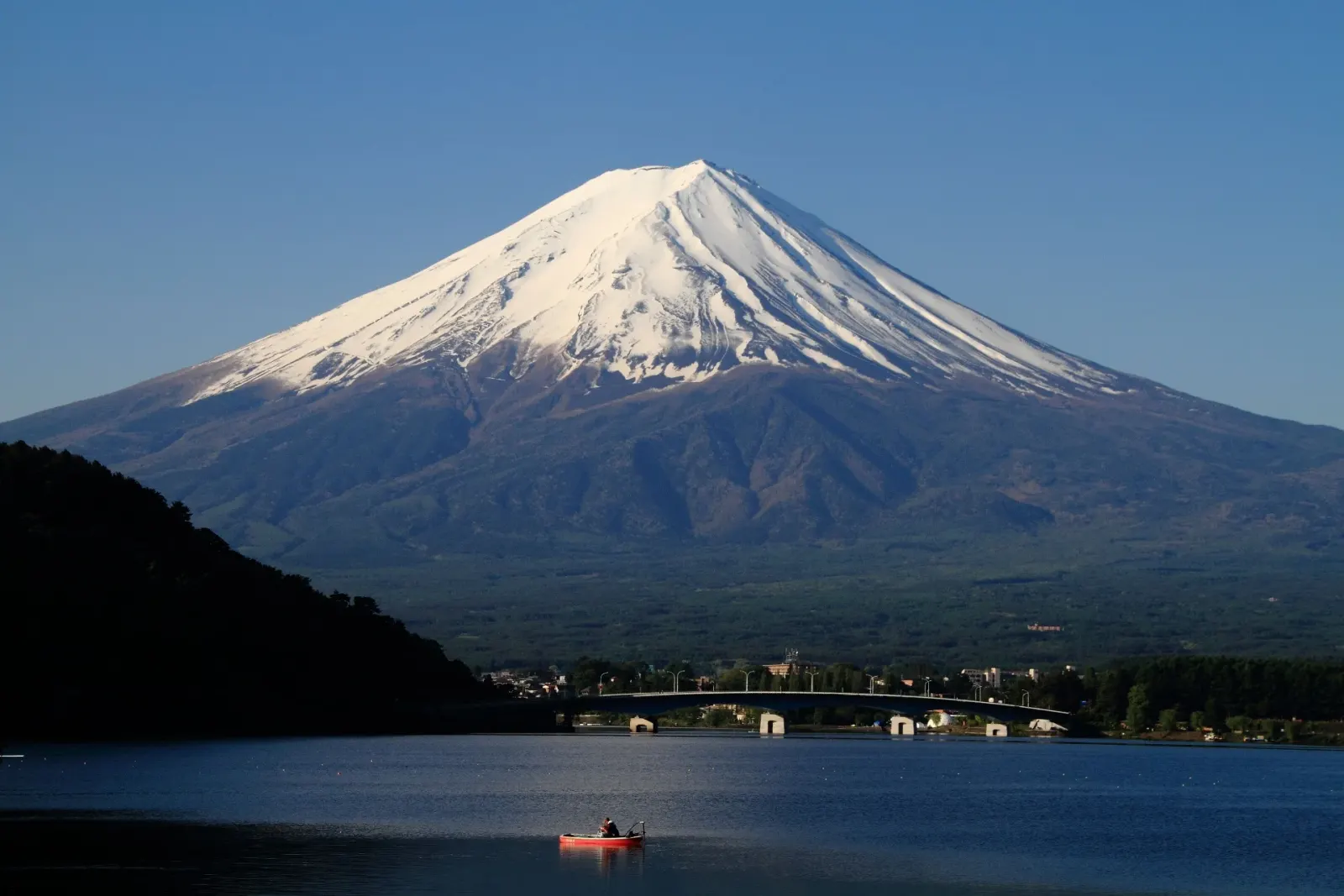
Mount Fuji
Mount Fuji is Japan's highest peak and one of its most recognizable symbols. Standing at 3,776 meters, this perfectly symmetrical volcano has inspired art, poetry, and pilgrimage for centuries. Located about 100 km southwest of Tokyo, Mount Fuji is a UNESCO World Heritage Site and a popular destination for both hikers and photographers. During climbing season (July to September), thousands ascend its slopes to catch sunrise from the summit — a spiritual and unforgettable experience known as "Goraiko". Whether viewed from afar or explored up close, Mount Fuji is a majestic centerpiece of Japan's natural and cultural landscape.
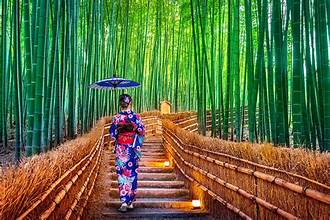
Arashiyama Bamboo Grove
The Arashiyama Bamboo Grove in Kyoto is one of Japan's most enchanting and surreal natural sites. Walking through its towering green bamboo stalks feels like stepping into another world — the rustling of leaves and filtered sunlight create a calming, almost otherworldly atmosphere. Located in the scenic Arashiyama district, the grove is near historic temples, traditional tea houses, and the famous Togetsukyo Bridge, making it a perfect stop for cultural and natural immersion. It's a must-visit for photographers, nature lovers, and anyone seeking a peaceful escape from the city.
Local Cuisine
Sushi
Japan's most celebrated culinary art — vinegared rice topped or rolled with fresh seafood, vegetables, or egg. Best enjoyed at a traditional sushiya or a lively kaiten (conveyor belt) restaurant.
Ramen
Wheat noodles served in a deeply flavoured broth — from Sapporo's rich miso ramen to Tokyo's shoyu version and Fukuoka's creamy tonkotsu pork. Each region has its own prized variation.
Tempura
Seafood or vegetables lightly battered in a delicate flour-and-egg coating and deep-fried to a crispy, golden perfection. Best enjoyed freshly cooked at a dedicated tempura restaurant.
Wagyu Beef
Japanese A5-grade wagyu is celebrated worldwide for its extraordinary marbling and melt-in-the-mouth texture. Best experienced as shabu-shabu, teppanyaki, or yakiniku (grilled at the table).
Getting Around
Shinkansen (Bullet Train)
Japan's iconic bullet trains reach speeds of up to 320 km/h, connecting Tokyo to Osaka in just 2.5 hours. Renowned for exceptional punctuality and comfort.
Tokyo Metro
One of the world's most extensive and punctual metro systems, with 13 colour-coded lines across two operators (Tokyo Metro and Toei) covering the entire metropolitan area. Station signage is in English, making navigation straightforward.
JR Rail Pass
Available to foreign visitors, the JR Pass offers unlimited travel on JR-operated trains, including most Shinkansen routes. Purchase before departure or at major JR stations in Japan.
IC Cards (Suica/ICOCA)
Rechargeable smart cards (Suica in Tokyo, ICOCA in Osaka/Kyoto) work on trains, buses, and even at many convenience stores. Essential for hassle-free daily travel.
Stay Connected in Japan
Travan gets you online across Japan on major local networks, with strong coverage through Tokyo, Osaka, Kyoto, and along the shinkansen routes — reliable service being something Japan does especially well. Pick a plan for your trip and avoid the heavy roaming fees home carriers charge for the region.
Japan is above all a tourism and business destination, and Travan's built-in calling is a genuine advantage on both fronts: when you call a hotel, a tour operator, a business contact, or family back home, your own real, verified number shows as caller ID — not an anonymous internet number that gets ignored. It makes you reachable and recognizable the whole trip, which matters when coordinating on the move in an unfamiliar country.
Coverage is excellent across cities, transit, and tourist areas; the most remote mountain and island regions can vary, as with any plan. For navigation, translation (invaluable here), and calls, you'll be connected from arrival — no physical SIM to source locally.
Why Choose Travan eSIM for Japan?
Get connected immediately upon arrival
Stay connected across cities, countryside, and rail networks
Save significantly on data — up to 70% vs. roaming fees
Network: KDDI au
And when you ring home from Japan, Travan gives you calls from your own real, verified number — see how calling works.