
World Cup 2026
eSIM vs Traditional SIM: What Every Traveler Needs to Know
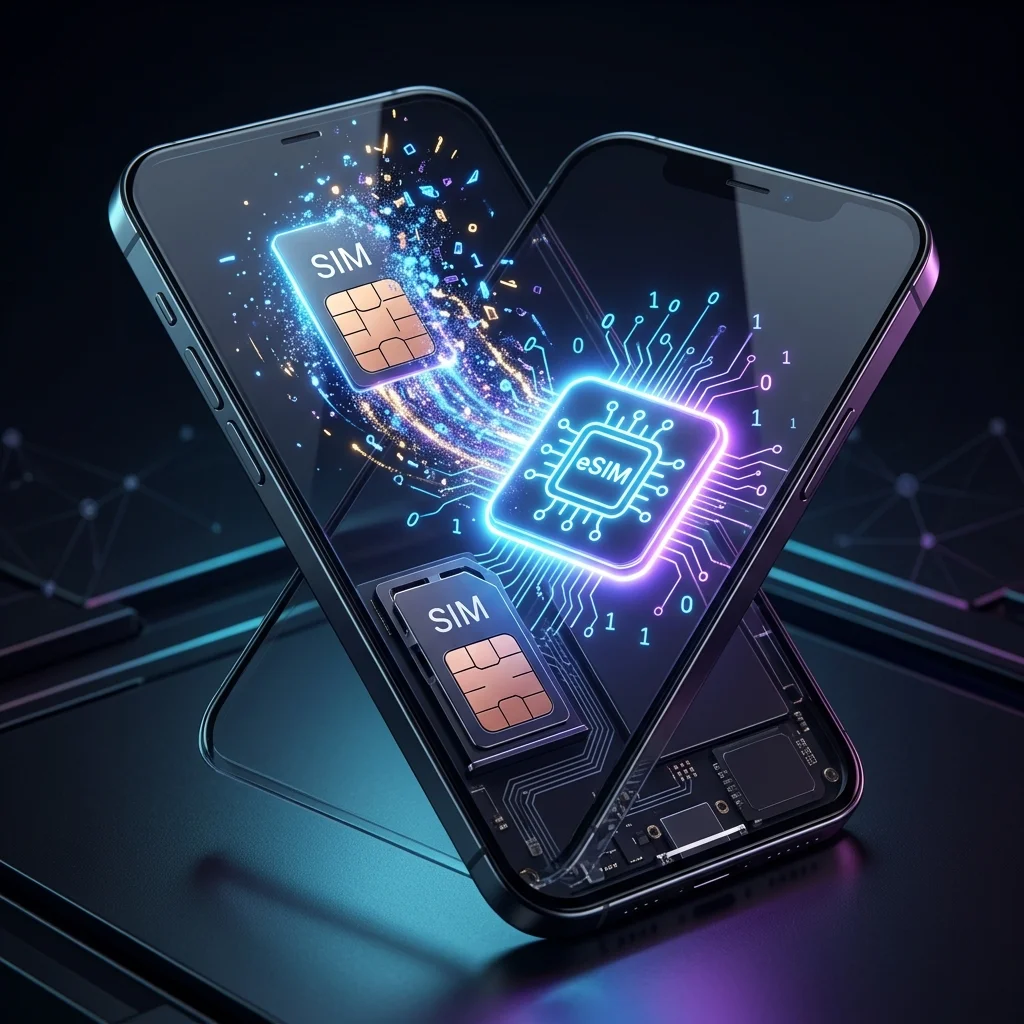
Understanding the key differences between eSIM and traditional SIM cards can help you make the best choice for your travel and connectivity needs.
📱 What Are eSIMs and Traditional SIMs?
Traditional SIM Cards
Physical plastic cards that store subscriber information and connect your device to a mobile network. They've been the standard for decades and require physical insertion into your device.
eSIM (Embedded SIM)
A digital version of the SIM card that's built into your device. Instead of a physical card, you download a carrier profile digitally, allowing instant activation without visiting a store.
⚖️ Key Differences Comparison
🔧 Installation & Setup
Traditional SIM: Requires physical insertion, SIM removal tool, and often a store visit for activation.
eSIM: Instant digital download via QR code or carrier app. Activation takes minutes, not hours.
✈️ Travel Convenience
Traditional SIM: Requires buying local SIMs in each country, risk of losing cards, and manual swapping.
eSIM: Purchase and activate local or regional plans instantly upon arrival. No physical cards to manage.
📞 Multiple Line Support
Traditional SIM: One active line at a time. Dual-SIM phones support two physical cards maximum.
eSIM: Store multiple carrier profiles on one device. Switch between personal and travel plans easily.
💰 Cost Considerations
Traditional SIM: May require buying new cards frequently, potential roaming fees, and shipping costs.
eSIM: Often more competitive pricing, no shipping fees, and easier to compare plans instantly.
🔒 Security & Loss Protection
Traditional SIM: Can be physically lost, stolen, or damaged. Requires replacement cards.
eSIM: Cannot be physically lost. Profiles can be remotely managed and deleted if device is stolen.
📱 Device Compatibility
Most modern smartphones support eSIM (iPhone XS+, Google Pixel 3+, Samsung Galaxy S20+), but check your specific device model. Many tablets, smartwatches, and laptops also support eSIM technology.
✅ Which Should You Choose?
Choose Traditional SIM if:
- Your device doesn't support eSIM
- You prefer physical control over your SIM
- You need to frequently switch SIMs between devices
Choose eSIM if:
- You travel frequently and want instant connectivity
- You need multiple lines on one device
- You want the convenience of digital management
- You prefer eco-friendly, plastic-free options
🚀 Key Takeaways
- eSIMs offer superior convenience for travelers and multi-line users
- Traditional SIMs still work well for single-device, local usage
- eSIM technology is the future of mobile connectivity
- Consider your travel patterns and device compatibility when choosing
- Services like Travan make eSIM adoption seamless and affordable
Ready to Stay Connected on Your Next Trip?
Get instant eSIM data and international calling in 200+ countries with Travan — no roaming fees, no SIM swaps, no surprises.